A Real Designer’s Review of Traveling Unicorns Coloring Page 17
I’ve been designing and stitching for years, and whenever I evaluate a new embroidery design for practical use, my first question is always: how will this translate from screen to stitches? Today, I’m walking through exactly that for Traveling Unicorns - Coloring Page 17. This isn’t a generic review; it’s a practical design judgment based on what it would mean for your real embroidery work, client projects, handmade products, and commercial assets.
The First Impression: Where This Design Naturally Belongs
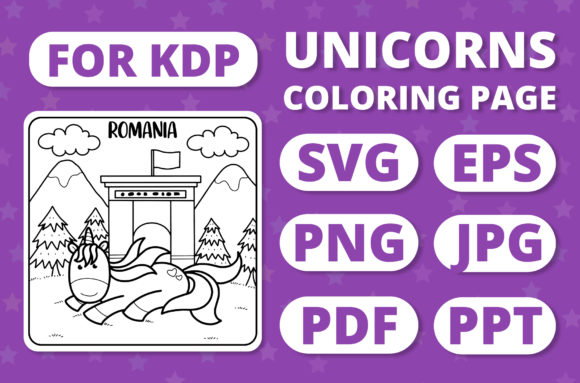
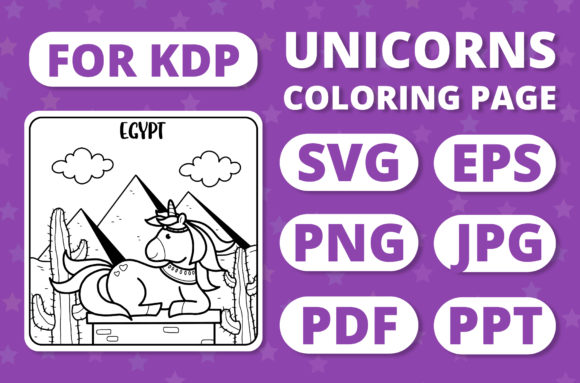
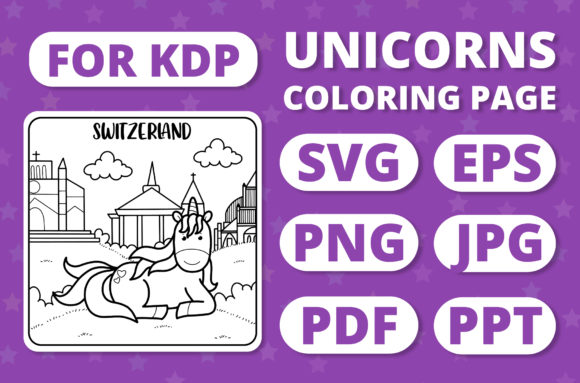
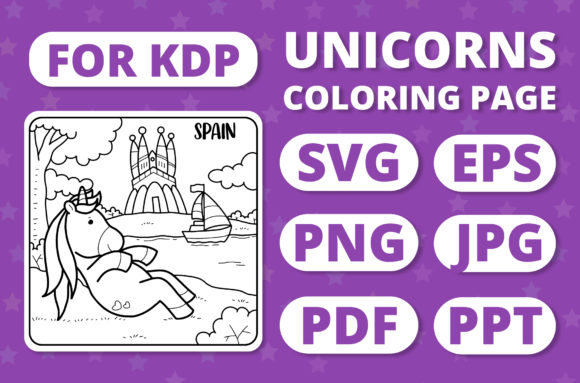
Traveling Unicorns - Coloring Page 17 immediately strikes a mood of whimsical, gentle adventure. The layout has a classic coloring-page clarity—clean lines, friendly shapes, and a central unicorn motif that feels approachable rather than overly intricate. Its visual personality leans into nostalgia and charm, making it feel less like a trendy graphic and more like a timeless illustration. For an embroidery designer, that’s a valuable starting point. It tells me this design belongs to projects where warmth and personality are key: custom gifts, boutique nursery decor, and handmade items meant to feel personal rather than mass-produced.
Imagine preparing a custom embroidered baby blanket for a client. You’re looking for a design that’s sweet without being overly cutesy, something that will stitch up clearly and hold its charm after years of gentle washing. This Traveling Unicorns design is a contender. Its shape is contained and balanced, suggesting it would sit nicely as a focal point on a blanket corner or a pillow cover. The detail level, as presented in the provided files (PNG, JPG, SVG, EPS, and the bonus AI source file), looks manageable for conversion into an embroidery file—there are clear outlines and open spaces that would translate well into satin stitch borders and fill stitch areas, without becoming a dense, thread-heavy nightmare.
Performance in Real-Life Embroidery Situations
Let’s talk about where this design would perform brilliantly. The provided size of 8.5 x 8.5 inches gives you a solid canvas to scale down. For apparel like sweatshirts or t-shirts, scaling it to a 6-inch or 4-inch hoop area would make a standout, cheerful feature. On a tote bag, it becomes a statement piece—the traveling theme feels literally apt for a bag meant to carry adventures. As an embroidered patch, its defined edges and contained artwork would allow for clean finishing, perfect for a cap or a jacket.
For creative entrepreneurs, especially Etsy sellers or small shop owners, this design’s appeal translates directly into product value. Stitched onto a high-quality tea towel or apron, it elevates a simple kitchen item into a giftable boutique product. In nursery decor—think on a small wall hanging or a pillow—it creates recognition and a handmade presentation that customers often seek. The versatility of the included file formats, especially the SVG and EPS, means you can confidently use it for printable mockups, digital product previews, and even as a base for applique design work, adding layers of texture with different fabrics.
A real scenario I’m picturing: a holiday gift project for a niece. You want to embroider a personalized sweatshirt. Using Traveling Unicorns - Coloring Page 17 as the centerpiece, surrounded by perhaps some simple floral accents from other designs, creates a cohesive, professional-looking finished product. The buyer engagement comes from that story—the “traveling” unicorn becomes a character on the garment, not just a generic shape.
Where to Use with Care: Practical Considerations
No design is perfect for every single application, and an experienced designer knows to spot the limitations upfront. The first note here is about scale. While it can be scaled down, if you go very small—say, for a tiny corner on a baby bib—some of the finer details might lose clarity. Those potential tiny lettering or decorative accents within the design (if present) could become muddled in stitching. Always test the design on scrap fabric first at your intended hoop size.
Texture and fabric choice matter immensely. On thin or stretchy fabrics, the stitch density required to fill the unicorn’s form needs careful stabilizer selection to prevent puckering. On dark fabric backgrounds, you’ll need to think about thread color contrast—a light, whimsical design might demand a bold, bright thread palette to pop against navy or black. For curved surfaces like caps, the overall 8.5 x 8.5 square format might need some adaptation to fit the curvature without distortion; the AI source file bonus is invaluable here for making those minor layout tweaks.
Also, consider products that need frequent washing. A design with large, solid fill stitch areas can be robust, but on items like kitchen towels or baby clothes that undergo heavy use, opting for a simpler outline stitch version (using the design as a line art guide) might increase longevity. This is where reviewing stitch density in your embroidery software before stitching is crucial.
Notes on Visual Appeal and Professional Trust
How does Traveling Unicorns - Coloring Page 17 affect customer trust and brand consistency? When a design stitches out cleanly, with crisp lines and no skipped stitches, it speaks to professionalism. For a craft business, that reliability builds repeat customers. The design’s inherent giftability and recognition—unicorns are a beloved theme—mean it can become a staple in your product line, helping build a consistent visual brand for a shop specializing in whimsical, handmade gifts.
Its clarity as a graphics file means your digital embroidery file conversion can be precise, leading to a better finished product. That directly impacts stitching clarity on the final item, whether it’s a custom apparel piece or a commercial embroidery project for a local boutique.
Essential Designer Notes Before You Stitch
Before you commit this design to a client’s project or your own merchandise, here’s my practical checklist.
- Test on Scrap Fabric: Always run a test, especially on the actual fabric type you plan to use (textured cotton, smooth poly, etc.).
- Check Thread Color Contrast: Play with palettes. This design might shine with pastels, but also consider bold, magical colors for a different vibe.
- Review in Black and White: Convert your embroidery file preview to grayscale to see if the shapes hold up without color—this tests the fundamental design strength.
- Compare Light and Dark Backgrounds: Mock it up on both. You might discover it sells better on light fabrics, or you might adapt it with a backing patch for dark ones.
- Use Proper Stabilizer: Match the stabilizer to your fabric and the design’s stitch density. Don’t skimp here.
- Confirm Licensing: The product description mentions KDP activity books, but for embroidery, you must confirm the license terms yourself. Does it allow for commercial use of the embroidered finished products? Always check this before selling any handmade item or digital embroidery file derived from the source.
- Inspect Small Details: Open the AI or SVG file and look closely. Are there any micro-details that your embroidery machine might struggle with? Simplify them in your vector software if needed.
Traveling Unicorns - Coloring Page 17, from the Graphics category and Coloring Pages Amp type, offers a solid foundation. Its practical value for embroidery designers and makers lies in its adaptable, friendly artwork and the professional-quality source files provided. It won’t be the right fit for every single project—very dense, highly detailed miniature work isn’t its role—but for the vast landscape of personalized gifts, custom apparel, and small shop merchandise where charm and clarity are currency, it’s a design worth testing in your next embroidery project.