Halloween Coloring Page Ghost 20 for Embroidery Projects
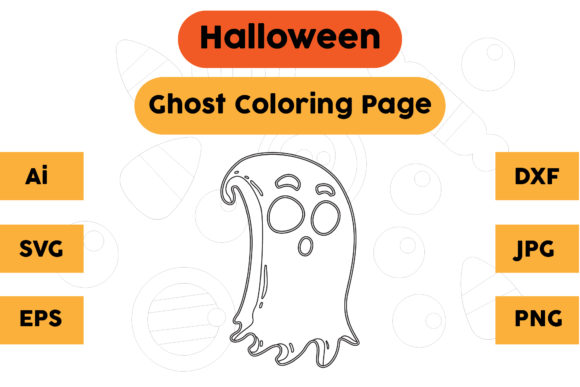
When a Halloween embroidery project needs a touch of whimsy, not horror, this particular Ghost 20 design immediately caught my eye. My first impression was that of a friendly, approachable spirit—perfect for a wide range of products where you want a cute, seasonal vibe without the scare factor. The ghost's soft, rounded shape and simple detailing suggest an embroidery project that would stitch out cleanly and feel instantly recognizable, a key point for customer appeal.
A Friendly Ghost's Mood on Fabric
The layout and personality of this ghost are its biggest strengths. It doesn’t have overly intricate internal details that can become muddy with satin stitches or dense fill areas. Instead, it presents a clear, open shape that I envision translating beautifully into an appliqué design or a straightforward filled outline. This makes it a versatile starting point for both simple and more elaborate embroidered products, from a quick patch to a detailed centerpiece on a sweatshirt.
Thinking about real application, I pictured using it for a custom embroidered baby blanket or a child’s sweatshirt. The friendly aesthetic would resonate with parents looking for non-threatening Halloween decor. For small business owners or Etsy sellers, this design could anchor a whole seasonal line—think matching tote bags, apron accents, or personalized pillow covers for a boutique nursery. The theme is specific, but the execution is universal enough to feel like a classic, year-after-year favorite.
Where This Design Finds Its Best Home
In practical embroidery situations, this ghost’s clarity is a boon. On a dark fabric like black denim for a tote bag, a bright white fill stitch for the body would pop wonderfully, assuming you manage thread color contrast carefully. On lighter fabrics, like a cream-colored kitchen towel or a beige cap, you could play with unexpected thread colors—a pale blue or grey ghost could be a sophisticated twist for a handmade gift.
The described canvas size suggests a good scale for many projects. At 1920px by 1280px, when properly translated into your embroidery file, it should allow for sizing up for a large pillow cover or down for a smaller patch without losing fundamental shape integrity. However, the true test is always in the machine.
Navigating the Stitching Reality
Every designer knows a good graphic doesn’t automatically mean a good embroidery file. The availability of multiple format types, including vector files like SVG and AI, is promising for digital product sellers and those needing to adjust the design before digitizing. For embroidery designers directly, these files are excellent starting points for creating your own machine embroidery design, ensuring you control stitch types and density.
For a successful finished product, I’d be thinking through a few key scenarios. On textured fabrics like a sweater, the ghost’s larger, solid areas would need proper stabilizer to prevent puckering. On curved surfaces like a cap, the design’s rounded form should adapt well, but I'd always advise testing a scaled version on scrap fabric first to check for any distortion. Its lack of tiny lettering or miniscule details is a relief; those are often the points of failure on stretchy fabric or items needing frequent washing.
Careful Application for Professional Results
There are, of course, places to proceed with caution. If you scale this Halloween Coloring Page Ghost 20 down dramatically for a very small hoop size—say for a tiny accent on a baby bib—the interior spaces and outlines could become too tight, requiring very fine thread and precise machine settings. Also, while the design feels open, if you choose a dense fill stitch for the entire ghost body on a thin fabric like a standard t-shirt, you risk a stiff, uncomfortable finished product. The practical approach is to consider using a lighter running stitch outline or a mixed technique for comfort on apparel.
This directly affects visual appeal and customer trust. A stiff, puckered ghost on a child’s t-shirt looks unprofessional, while a clean, appropriately stitched one enhances the handmade presentation and feels like a quality gift. For craft businesses, that consistency in output builds brand reputation.
Practical Notes Before You Hoop the Fabric
My standard process for a design like this involves a few concrete steps. First, I would test the embroidery file, derived from the provided graphic, on my usual scrap fabric—a mid-weight cotton canvas similar to a tote bag. This checks the basic stitch density and clarity. Second, I’d create both a black and a white fabric mockup digitally to preview the final product’s contrast; this helps in planning thread colors for light and dark backgrounds. Third, I would confirm the exact licensing terms for the graphic. While the product falls under Graphics and Coloring Pages Amp, you must verify if your intended use—selling embroidered tote bags at a craft fair or offering the digitized file as a commercial embroidery asset—is permitted.
Ultimately, the Halloween Coloring Page Ghost 20 offers a strong, charming foundation. Its value for embroidery lies in its clear personality and adaptable form. For hobbyists making personalized holiday gifts, or for creative entrepreneurs building a seasonal product line, it provides a reliable, engaging visual starting point. The final embroidery success, as always, depends on your thoughtful digitization, material choices, and testing—but this ghost gives you a very friendly head start.